

The Cost of Overlooking the Details
Floors tell a story. And in a commercial building, that story is often one of constant foot traffic, coffee spills, and cleaning crews doing their best to keep up. But here’s the thing—tile and grout need more than just a quick mop and a prayer.
Over time, dirt burrows into grout lines, tiles lose their shine, and before you know it, your once-pristine floors look dull and worn. Worse, small cleaning mistakes can turn into big repair bills. So, let’s talk about five missteps that could be hurting your floors (and what to do instead).
1. Thinking Mopping Gets the Job Done
Mopping is great—for moving dirt around.
That’s right. If you’re relying on a mop and bucket alone, you’re probably not cleaning your floors as much as you think. Grout is porous, which means it soaks up dirt, spills, and bacteria like a sponge. Mopping spreads that grime around, making the surface look clean while the real mess sinks deeper into the grout lines.
What to Do Instead:
- Sweep or vacuum before mopping to remove loose dirt.
- Use a high-quality tile and grout cleaner that lifts dirt instead of pushing it around.
- Schedule periodic deep cleans with steam or high-pressure extraction to pull grime from grout.
2. Using Bleach or Ammonia—Because “Stronger is Better”
Harsh chemicals feel like they should work better. But that’s not always the case.
Bleach and ammonia might kill germs, but they’re also quietly destroying your grout. These chemicals break down grout’s structure, making it more porous and brittle. Over time, this leads to cracks, discoloration, and—if left unchecked—complete grout failure. And if you have natural stone floors? Forget it. These cleaners can etch and dull the surface, leaving behind irreversible damage.
A Better Approach:
- Use pH-neutral cleaners specifically designed for tile and grout.
- Avoid anything too acidic or too alkaline—both can weaken grout over time.
- If you need to disinfect, opt for a mild, stone-safe solution and rinse thoroughly.
3. Skipping the Grout Sealer
If grout had a worst enemy, it would be water.
Grout is naturally porous, meaning every drop of moisture it encounters seeps in, bringing dirt, bacteria, and even mold along for the ride. Without a protective seal, your grout will darken, stain, and eventually start crumbling.
How to Fix It:
- Always apply a grout sealer after a deep clean. This keeps out moisture and stains.
- For high-traffic areas, reseal at least once a year.
- Use a penetrating sealer instead of a surface one—it lasts longer and protects better.
Skipping this step might save time in the short term, but long term? It’ll cost you.
4. Ignoring Deep Cleaning Until the Floor Looks Bad
By the time your tile and grout look dirty, they’ve been dirty for a while.
Regular cleaning is important, but daily maintenance isn’t enough. Dirt and grease slowly build up, dulling your tiles and darkening your grout. At first, it’s subtle. Then, one day, you step back and realize your floors look grimy no matter how much they’re cleaned.
What You Should Be Doing Instead:
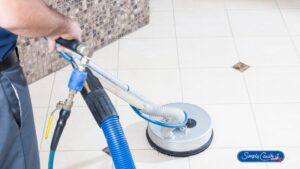
- Schedule professional deep cleaning at least twice a year, more for busy areas.
- Use high-pressure steam cleaning to extract deep-set dirt.
- If you’re noticing stubborn stains, don’t wait—address them before they set in.
Think of deep cleaning like an oil change. You could wait longer, but eventually, it’s going to cost you more in repairs.
5. Waiting Too Long to Clean Up Spills and Stains
Let’s be honest—commercial floors take a beating. Coffee spills, muddy footprints, food drips from rushed lunch breaks—it all adds up. And the longer those spills sit, the harder they are to remove.
Stains don’t just look bad. They soak into grout and natural stone, making them harder to clean over time. Worse, moisture buildup can lead to mold, and that’s a whole different problem nobody wants to deal with.
How to Stay Ahead of the Mess:
- Wipe up spills immediately—don’t let them soak in.
- Keep a stone-safe, pH-neutral cleaner on hand for quick cleanups.
- For high-traffic areas, consider using entry mats to catch dirt before it reaches the floor.
Keep Your Floors Looking (and Lasting) Their Best
Tile and grout don’t have to be high-maintenance, but they do need the right care. By avoiding these common mistakes, you can keep your commercial floors looking sharp, reduce long-term maintenance costs, and avoid having to replace grout or tile prematurely.
So, are your floors overdue for some proper care? If it’s been a while since your last deep clean or seal, now’s the time to fix that. Let’s get those floors back to looking like they should.
Simply Caulk It is a commercial caulking, tile, grout and stone care contractor, serving New Jersey we are licensed & insured. Please call or complete our web form to discuss your next project.